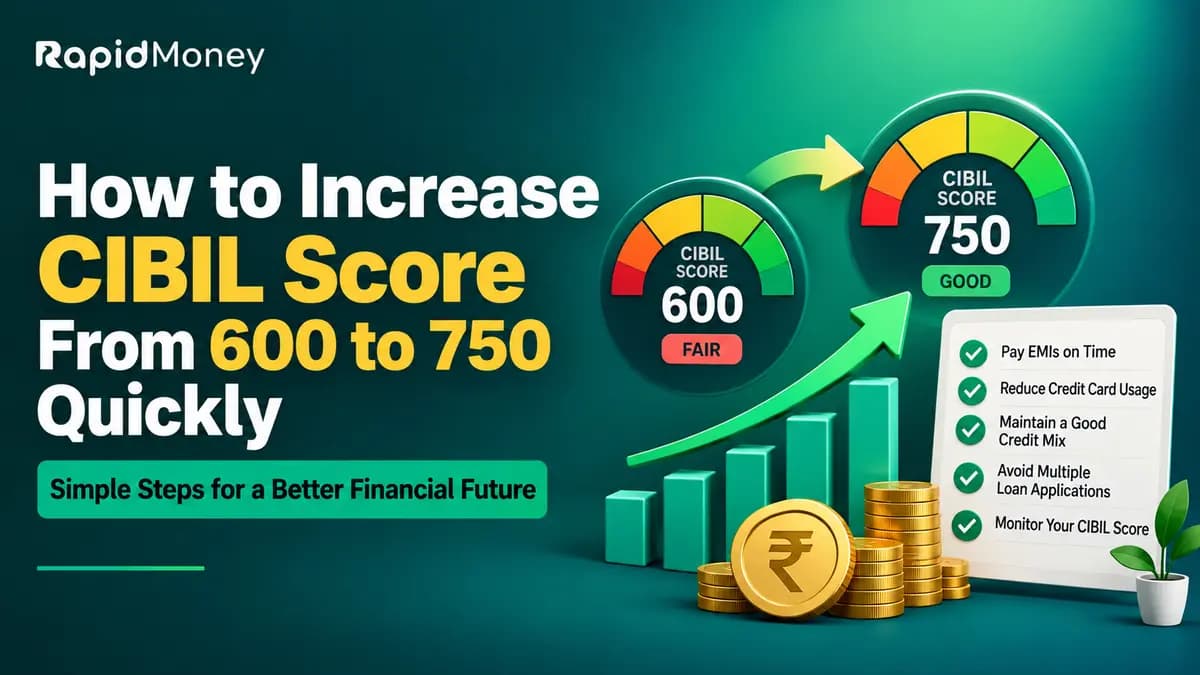
To increase CIBIL score from 600 to 750, pay every EMI and credit card bill on time, keep credit utilisation under 30%, don’t apply for several loans, keep a good mix of secured and unsecured credit, and read your credit report each month to make sure there are no mistakes.
A CIBIL score of 600 could feel like a closed door. Loans are denied. If you are authorised at all . Credit cards have hefty interest rates . It’s frustrating, especially when you’re aware you can manage credit properly.
The good news? A score of 600 is not permanent. Thousands of Indians move from 600 to 750+ every year, and you can too.
This guide breaks down exactly how to increase CIBIL score from 600 to 750 using seven practical, proven steps. No gimmicks, no shortcuts that backfire — just what actually works, backed by how credit bureaus calculate your score in 2026.
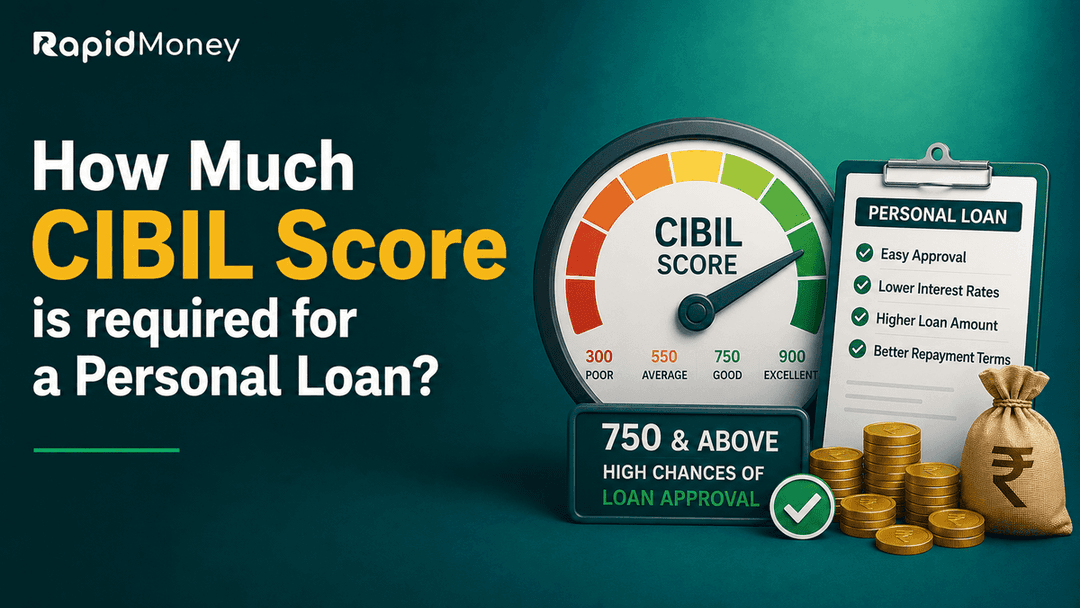
In India, a score of over 750 is widely regarded as the threshold for “good” credit. This criterion is used by banks and NBFCs to approve loans swiftly and offer the greatest interest rates.
Here's what changes once you cross that line:
| Score Range | What It Means for You |
|---|---|
| 300–579 | Poor. Loan approvals are rare; high risk category. |
| 580–669 | Fair. Approvals possible but with higher interest. |
| 670–739 | Good. Better approval odds, moderate rates. |
| 750–900 | Excellent. Fast approvals, lowest interest rates. |
If you're aiming to improve CIBIL score from 600 to 750, you're essentially moving from the "fair" bracket into "excellent" — a jump that directly affects your EMI amounts for years.
It’s good to know what really pushes the needle before fixing. CIBIL (TransUnion CIBIL) uses many weighted elements to determine your score.
Knowing this breakdown makes the next section much easier to act on.
Also Read|Does Checking your Cibil Score reduce it›
This is, by far, the single biggest lever you have. Even one missed payment can pull your score down significantly.
Set up an auto-debit for each due date or a calendar reminder. If your cash flow is tight, pay at least the minimal amount due on the due date and then pay off the balance immediately.
Pro Tip: Paying a few days before the due date, rather than exactly on it, protects you from bank processing delays.
Credit usage is how much of your credit limit you are using. If your card limit is ₹1,00,000 and you consistently spend ₹80,000, that's a red flag to lenders.
Try to keep spending under 30% of your total limit. If that's difficult, consider requesting a credit limit increase, but don't use the extra room.
Example: On a ₹50,000 limit, aim to keep your outstanding balance under ₹15,000 at any time.
Every time you apply for credit, the lender runs a "hard enquiry" on your report. Too many enquiries in a short span make you look credit-hungry, which lowers your score.
Space out applications by at least 3 to 6 months, and only apply when you genuinely need the credit.
Too much credit card (unsecured debt) isn't good. Including secured loans, like a car loan or a small personal loan that you’re successfully repaying, demonstrates lenders you’re able to handle diverse types of credit responsibly.
You don't need to take a loan just to "improve mix" — but if you already have one, manage it well instead of closing it early.
It's tempting to close an old card once you stop using it, but this will decrease your credit history and lower your overall available limit and both of them can damage your score.
Instead, keep the card active with a small, occasional transaction and pay it off immediately.
Errors happen more often than people realise — a loan marked as unpaid when it's closed, or an account that isn't even yours. These mistakes can silently drag your score down.
Get your report from CIBIL, Experian or CRIF High Mark at least once a month and raise disputes for any mistakes immediately.
Important Note: You're entitled to one free credit report per bureau per year in India; some platforms offer more frequent free checks.
If you have old dues, pay them off in full rather than opting for a "settlement," which the lender reports differently and can hurt your score for years.
Clearing dues completely, even old small ones, sends a strong signal of reliability to future lenders.
There's no fixed timeline, but here's a realistic expectation based on consistent effort.
| Timeframe | Expected Progress |
|---|---|
| 1–2 months | Minor uptick if you clear overdue payments |
| 3–4 months | Noticeable improvement with on-time payments and low utilisation |
| 5–8 months | Significant jump, often 50–100+ points |
| 9–12 months | Score can stabilise near or above 750 with sustained discipline |
Individual results vary depending on your starting score, existing debt, and how promptly you act on the steps above.
Also Read|How to Imrpove Cibil score before applying for personal loan›
Avoiding these mistakes is just as important as following the seven steps above.
Pay all EMIs and payments on time, keep credit utilisation under 30%, avoid new loan applications and check your credit report for inaccuracies monthly. With consistent discipline , you can expect results in 4-8 months
A score of 600 is in the “fair” range. It’s hardly the worst score you can have, but it might limit your loan selections and often lead to higher interest rates. Improving it gives access to better financial products.
It varies, but clearing overdue payments or fixing a reporting error can raise your score can increase 10-30 points in a month . Larger, persistent progress takes a number of months of consistent good behaviour.
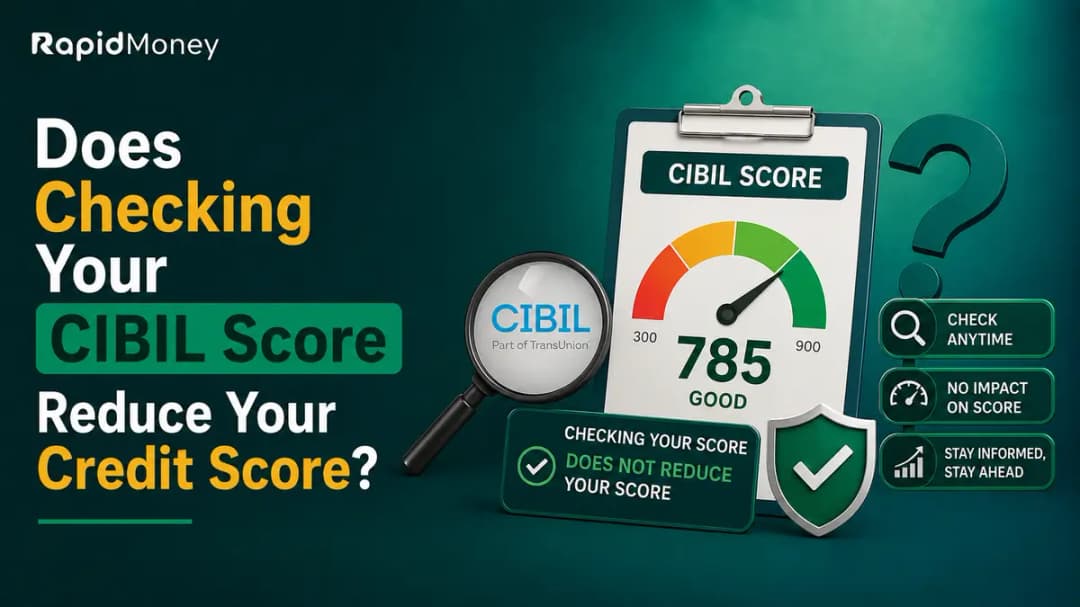
No. Checking your own score is a "soft enquiry" and has no impact on your CIBIL score. Only "hard enquiries," made when lenders check your report for a loan application, can affect it slightly.
Yes. For example, you can improve your score without borrowing more money, by paying existing dues on time, maintaining low credit utilisation and fixing inaccuracies in your report.
Most lenders provide data to CIBIL once a month. So your score is updated once a month. The day of the month depends on when your bank or lender reports.
Paying a loan early or on schedule usually helps, particularly if it improves your credit mix and lowers the debt you owe. But cancelling your single long-term account early can limit the length of your credit history.
Keeping utilisation below 30% of your total credit limit is ideal. Lower utilisation, closer to 10%, tends to reflect even more positively on your score over time.
Yes. Incorrectly reported late payments, incorrect account information, loans you don’t actually have – all of these can hurt your score. A lot. And unfairly. Regularly checking your report helps you spot these problems before they become serious.
Moving your credit profile from fair to excellent isn't about one big move — it's about consistency. To boost CIBIL score from 600 to 750, focus on basics: timely payments, modest utilisation, avoid superfluous credit applications, and keep an eye on your report periodically.
Start applying these seven steps today, and you'll likely see steady, measurable progress within a few months. Your future loan approvals — and the interest rates that come with them — will thank you.