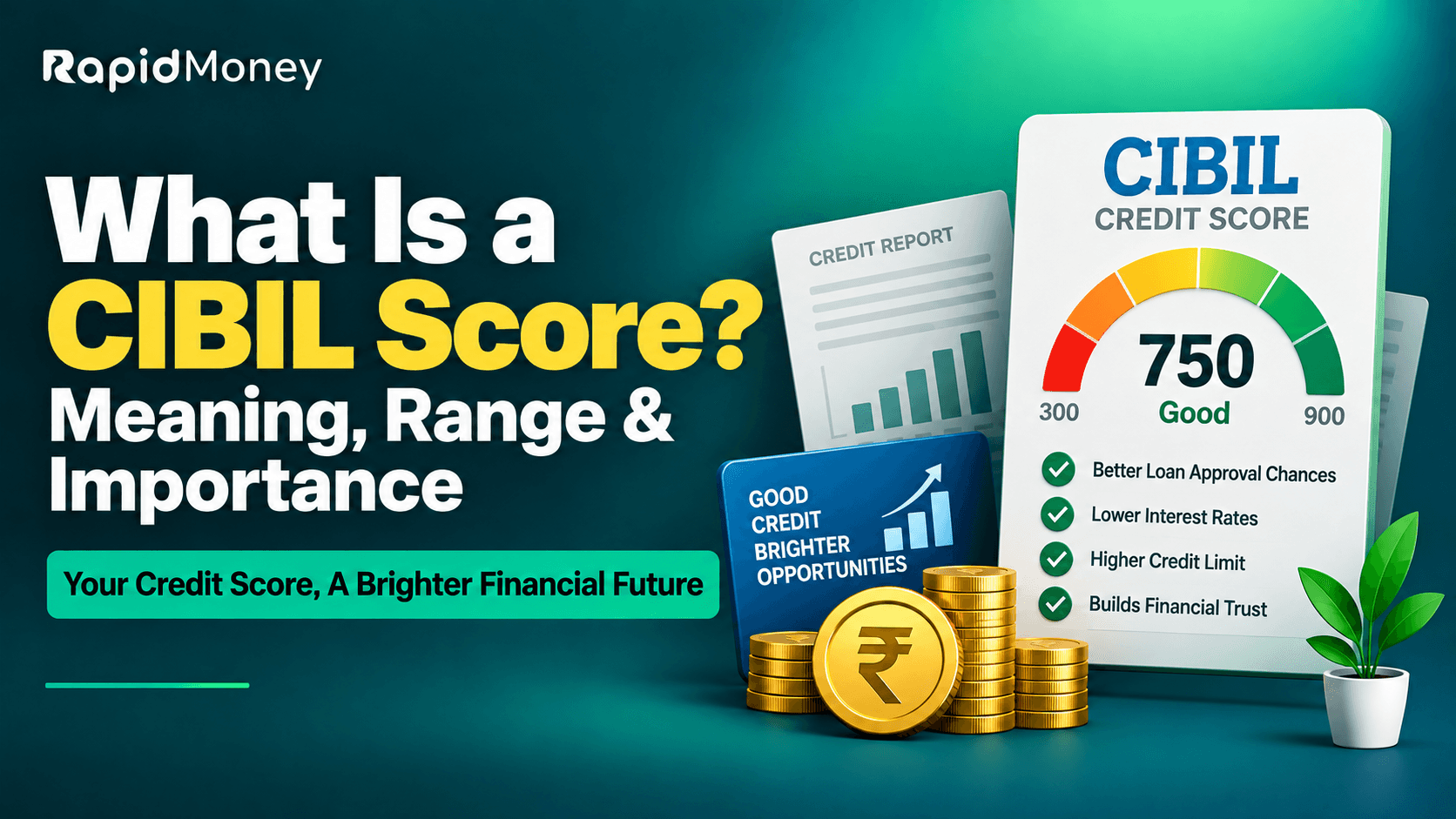
A CIBIL score is a three digit number ranging between 300 and 900 that reflects your creditworthiness, based on your past loan and credit card repayment history. Generally, a score over 750 is an excellent score and increases your chances of getting a loan approved quickly.
If you've ever applied for a loan or credit card, you've probably been asked about your CIBIL score. But what is CIBIL score, really, and why does it decide whether a bank says yes or no to you?
In simple terms, your CIBIL score is a number that lenders use to determine your creditworthiness. It's one of the first things a bank checks before approving your loan application.
CIBIL score, short for Credit Information Bureau (India) Limited score, is a numerical summary of your credit behaviour. It's generated using data from your past loans, credit cards, and repayment patterns.
Think of it as a financial report card. Every time you take a loan or use a credit card, that activity gets recorded. Over time, this builds a credit history, and CIBIL converts that history into a single score.
This score helps banks and NBFCs to rapidly assess how risky it is to give you money. A higher score implies responsible borrowing, whereas a lower one raises red flags.
Also Read|How to Build Credit From Scratch›
The score is calculated by TransUnion CIBIL, India's oldest and most widely used credit information company. Credit bureaus are regulated by the (RBI) under the Credit Information Companies (Regulation) Act, 2005.
Banks, NBFCs, and other lenders report your loan and credit card data to CIBIL every month. CIBIL compiles this into your Credit Information Report (CIR), and your score is derived from it.
Important Note: CIBIL is not the only credit bureau in India. Experian and CRIF High Mark also generate similar scores, but CIBIL remains the most commonly referenced one by lenders.
Your CIBIL score always falls between 300 and 900. Here's how lenders typically interpret different score ranges:
| CIBIL Score Range | Category | What It Means for You |
|---|---|---|
| 300–549 | Poor | Loan approval very unlikely; high risk |
| 550–649 | Fair | May get loans, but at higher interest rates |
| 650–749 | Good | Reasonable approval chances |
| 750–900 | Excellent | Fast approval, better interest rates |
A score of 750 or above is considered the sweet spot for getting approved quickly and at competitive interest rates.
CIBIL doesn't just pick a random number. It weighs several factors from your credit history to arrive at your score.
Here's a general breakdown of what influences it:
Expert Tip: Even a single missed EMI payment can pull your score down noticeably, so setting up auto-debit for repayments is a smart habit.
Your CIBIL score directly affects three things when you apply for credit:
For instant personal loans, especially smaller ticket-size loans, some lenders also factor in income stability and repayment capacity alongside the score, so a moderate score doesn't always mean rejection.
Yes, but not in isolation. For instant personal loans, digital lenders often combine your CIBIL score with real-time factors like income, existing obligations, and repayment behaviour on other apps. This is why some borrowers with an average score can still get approved for small, short-tenure loans.
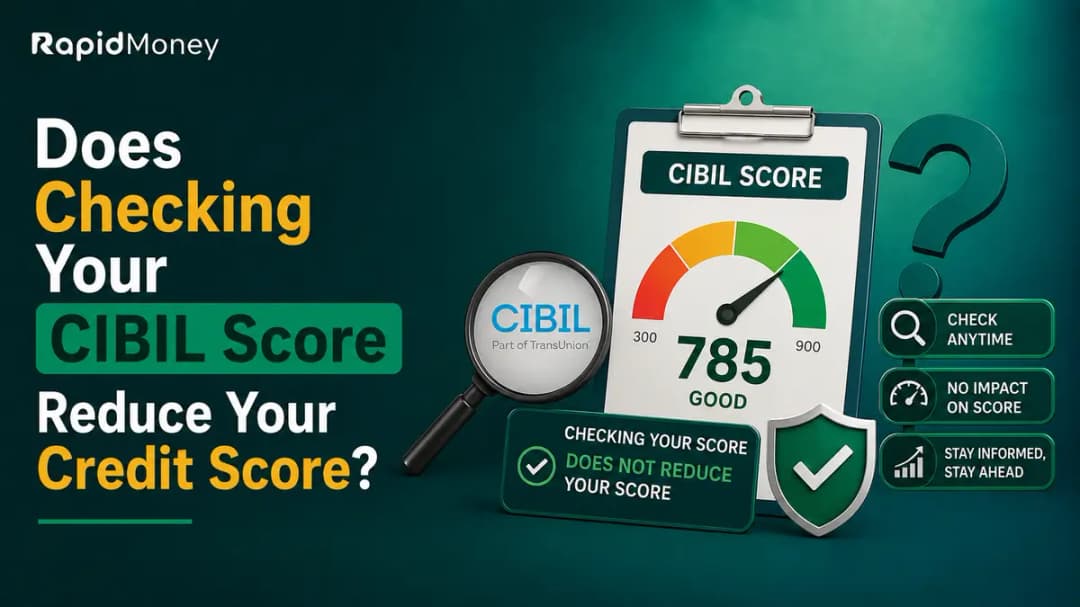
| Also Read|Does Checking Your CIBIL Score Reduce It?› |
You're entitled to one free CIBIL report per year directly from TransUnion CIBIL. Here's how to check it:
Pro Tip: Avoid entering your CIBIL details on unverified third-party websites. Stick to official platforms or RBI-regulated financial apps to protect your data.
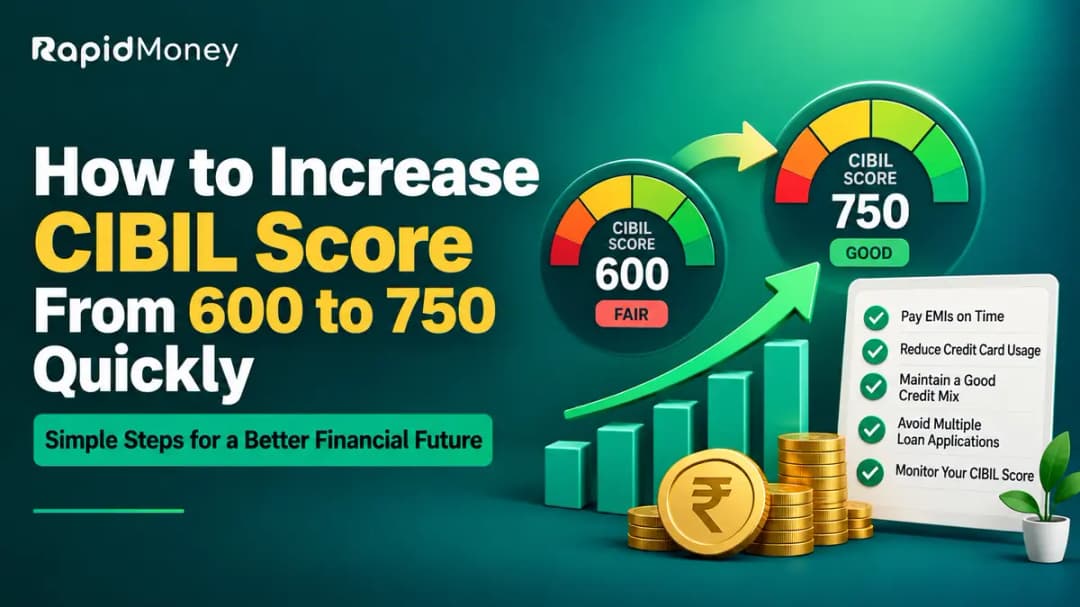
If your score isn't where you'd like it to be, don't worry — it's fixable over time. Here's what helps:
Improvement isn't instant. Most people see a noticeable change within 3 to 6 months of consistent, disciplined repayment behaviour.
| Also Read|How to Increase CIBIL Score From 600 to 750› |
Your CIBIL score is a 3 digit figure between 300 and 900 that indicates how reliably you have returned your prior loans and credit card dues. It is used by lenders to decide whether to lend you money and, if so, at what rate.
CIBIL score above 750 is considered very good. It improves your chances of fast loan approval and often gets you better interest rates compared to a lower score.
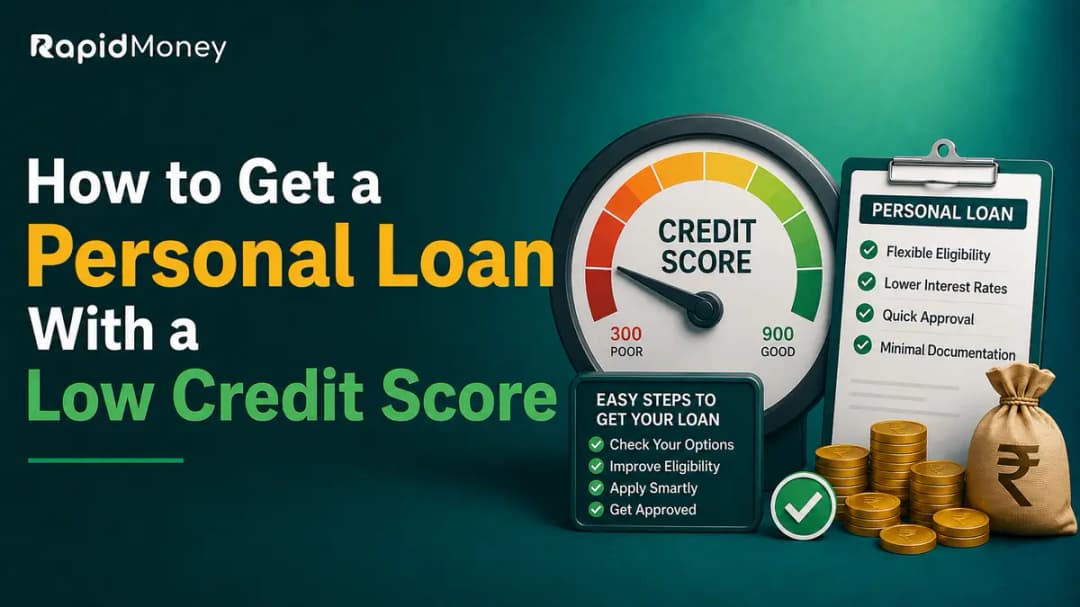
Yes, some lenders still approve loans with a lower score (particularly for smaller loan amounts) but the interest rates may be higher. The score is taken into account together with the income stability and the payback capabilities.
CIBIL score is typically updated once a month, as banks and NBFCs report your account activity to the bureau on a monthly basis.
No. Checking your own CIBIL score is a "soft enquiry" and does not affect your score. Only "hard enquiries," made when lenders check your score for a loan application, can have a minor impact.
Negative information, such missed payments or defaults, can show on your credit report for up to 7 years, though its impact on your score reduces over time with good repayment behaviour.
CIBIL stands for Credit Information Bureau (India) Limited, one of India's four RBI-licensed credit information companies.
Not exactly. If you've never taken a loan or credit card, you may have no CIBIL score at all (often shown as -1 or NA) rather than a poor one, since there's simply no data to calculate it.
The fastest way to see an improvement is to pay all your EMIs and bills on time, keep your credit utilization low and not apply for multiple loans at the same time. Usually within a few months, you can see a difference.
Yes, it’s one of the primary things lenders look at but with fast personal loans, income and repayment behaviour on other platforms are often assessed alongside your score, not in isolation.
So, what is CIBIL score at the end of the day? It's basically a number that tells lenders how responsible you've been with credit in the past. The higher, the easier to get loans approved swiftly and at better terms.
The good news is that your CIBIL score isn't fixed forever. With timely repayments and smart credit habits, you can improve it steadily over time.
If you're ready to apply for a quick, hassle-free personal loan regardless of where your score currently stands, apply with RapidMoney today and get instant approval in minutes.